




This Giving Tuesday, FEED and Goldbelly are joining forces to make an...
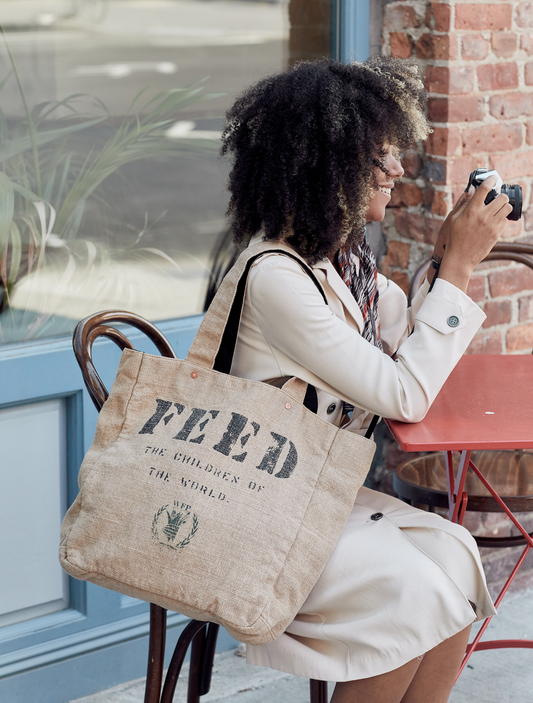
At FEED, we are proud to honor Juneteenth. Juneteenth is a time...
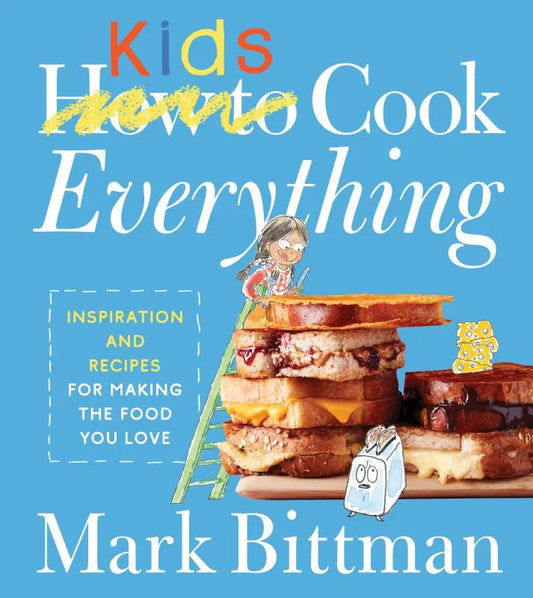
Mark Bittman brings us a sunny summer recipe that’s as effortless as...
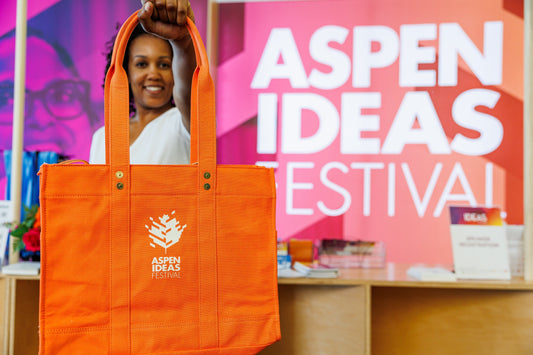
FEED Co-branded Bags At FEED, every product has a purpose, and we...
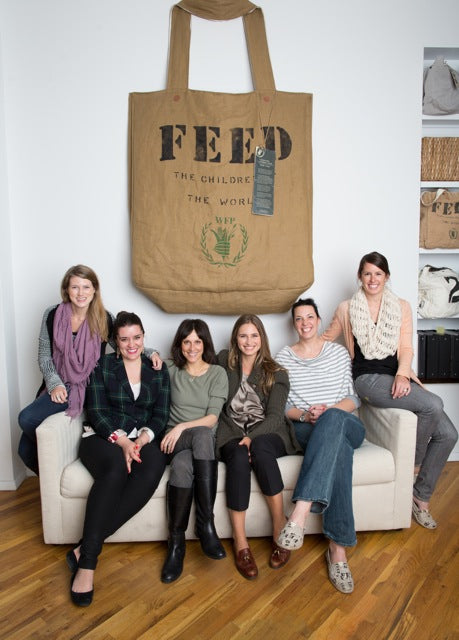
FEED Founder, Lauren Bush Lauren, and the FEED team worked with Whitney...
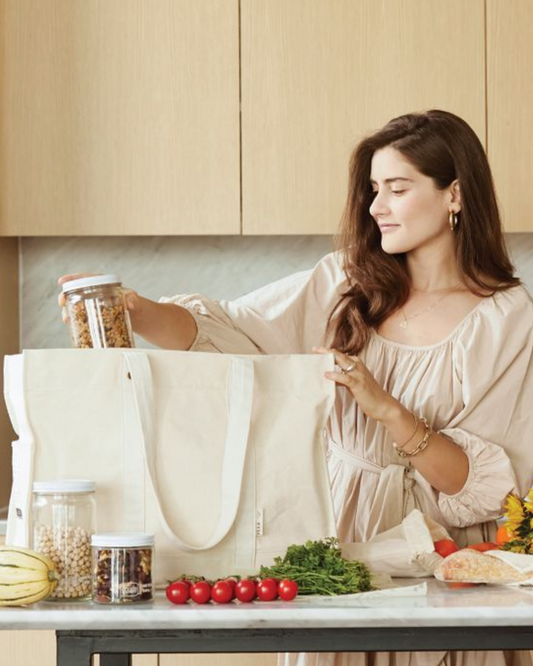
A conversation on everyday solutions to help save our beautiful planet.

FEED’s Favorites: Celebrating Black-Owned Businesses During Black History Month
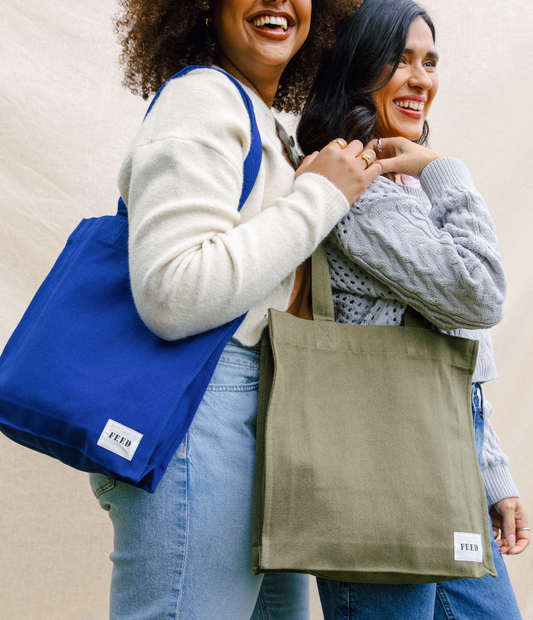
Women-owned brands we love
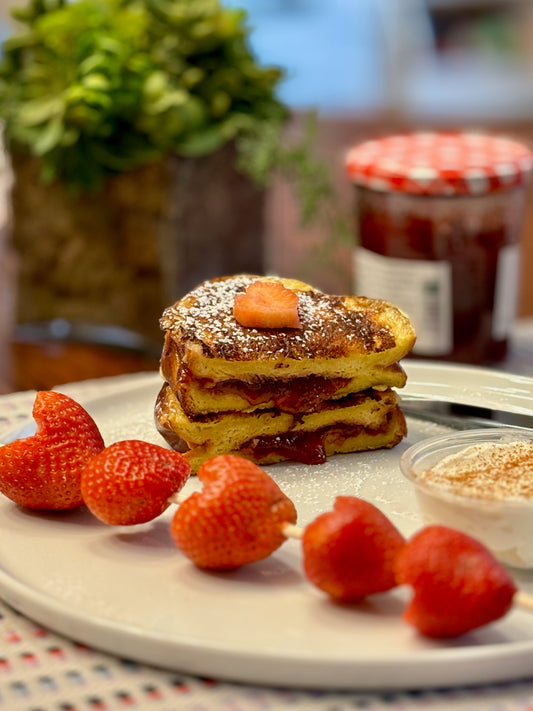
A Special Valentine’s Day Breakfast-for-Dinner: Jammy French Toast with Strawberries and Yogurt:
The best of 2023
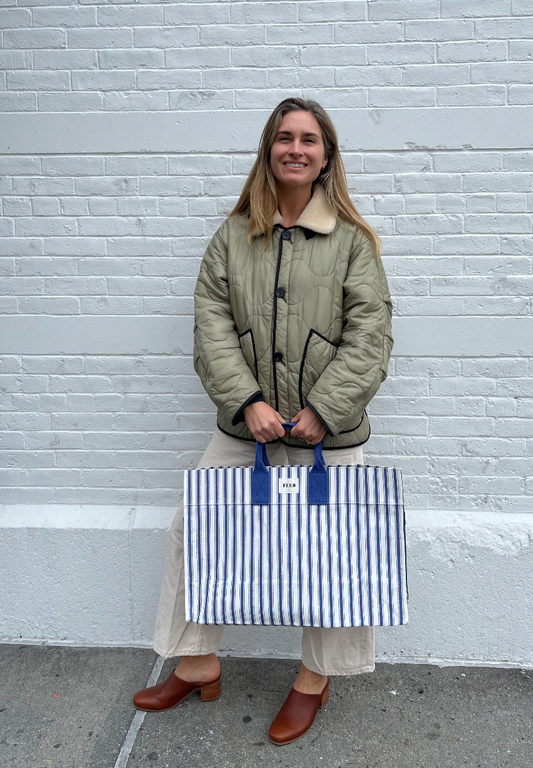
Letter from Lauren: December
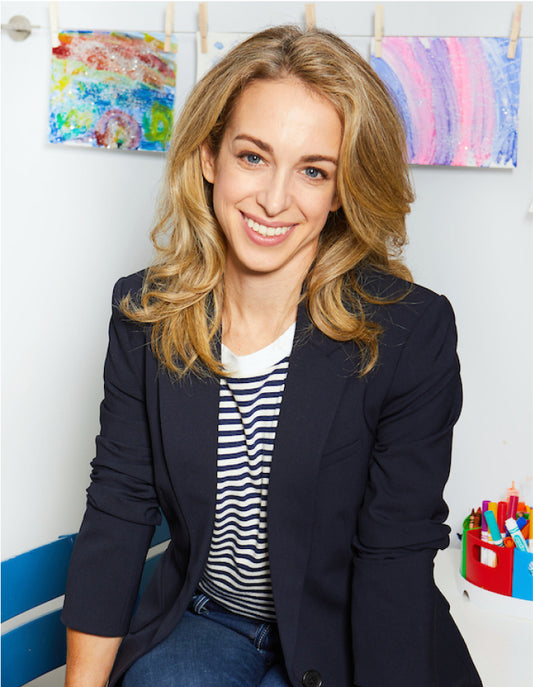
Meet Dr. Becky, the psychologist helping us all raise confident kids.
Thanksgiving With Kids: It’s Not About the Turkey
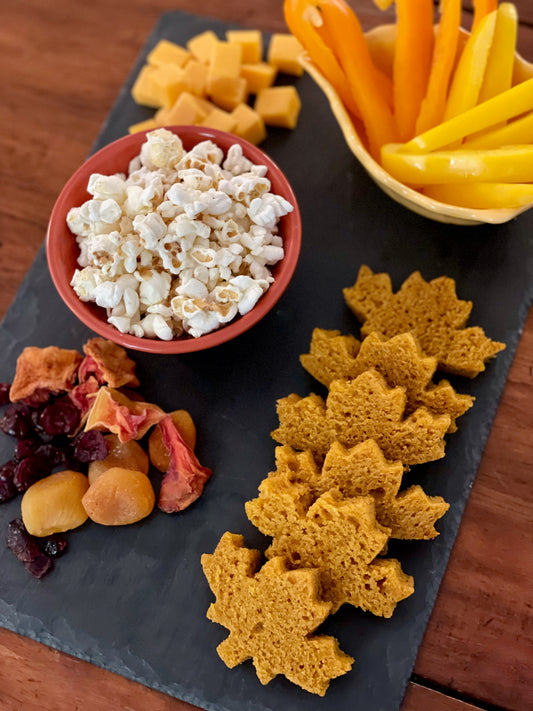
Thanksgiving Vacation Snack Board
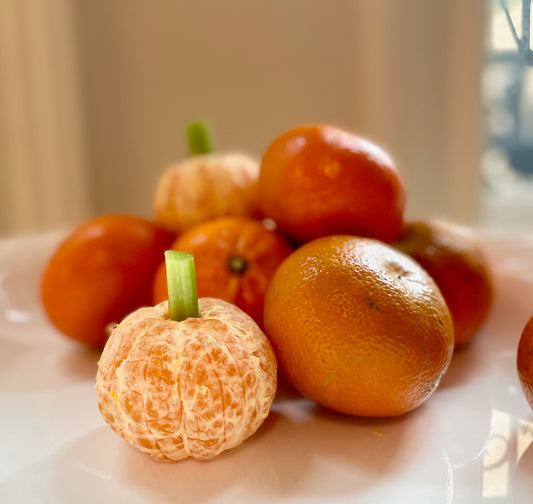
Spooky Snacks: Oreo Spiders and Clementine Pumpkins
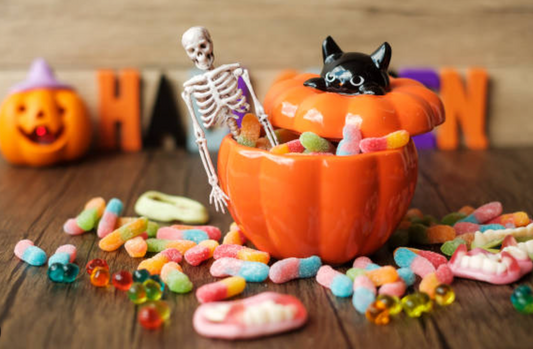
Snack-Sized Advice from The FEED Nutritionist: Halloween Edition
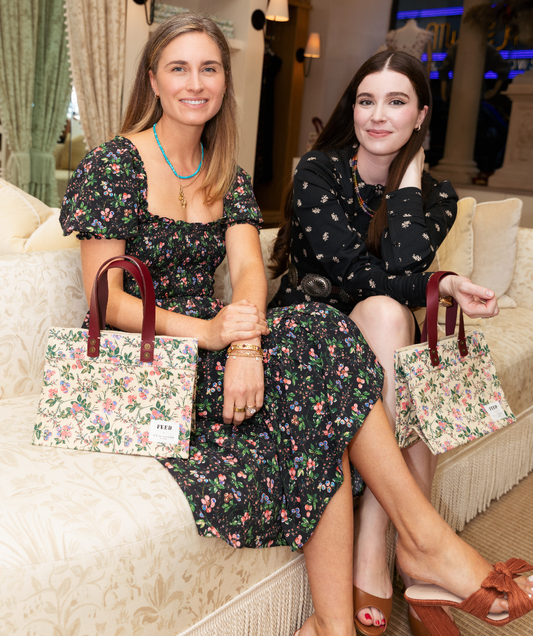
Meet Nell Diamond of Hill House Home
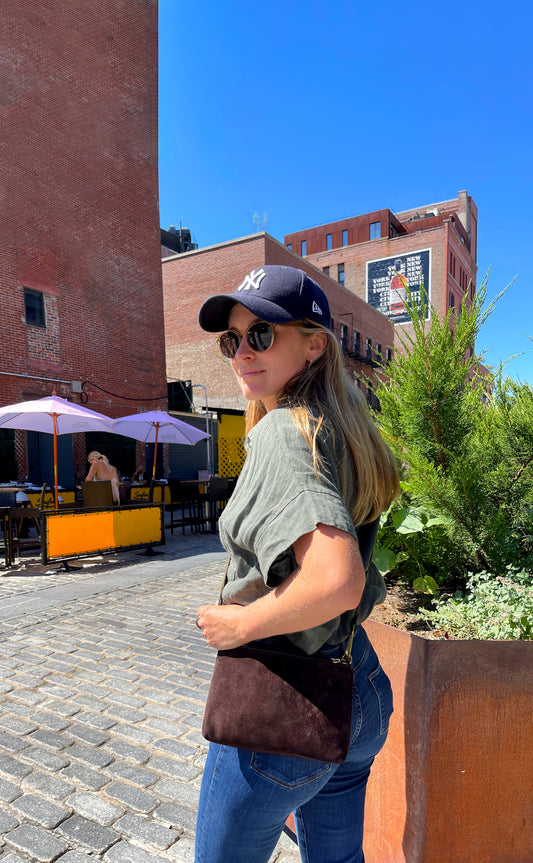
Letter from Lauren: September 2023
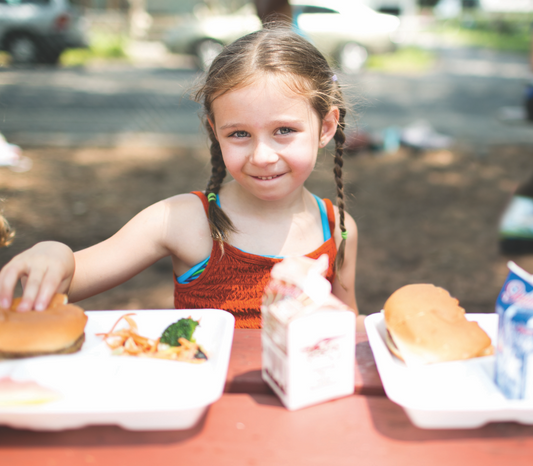
Protecting SNAP: The 2023 Farm Bill
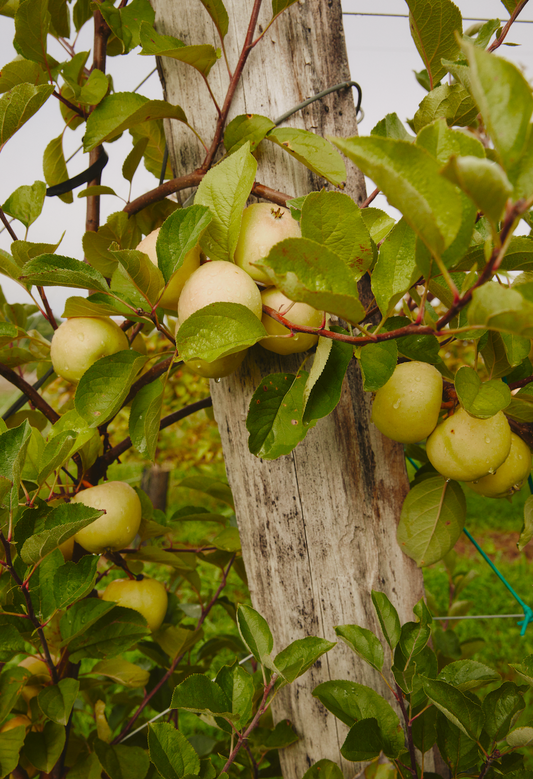
Sprouting Change: How New York City is Becoming Plant-Forward The Deputy Director of New...
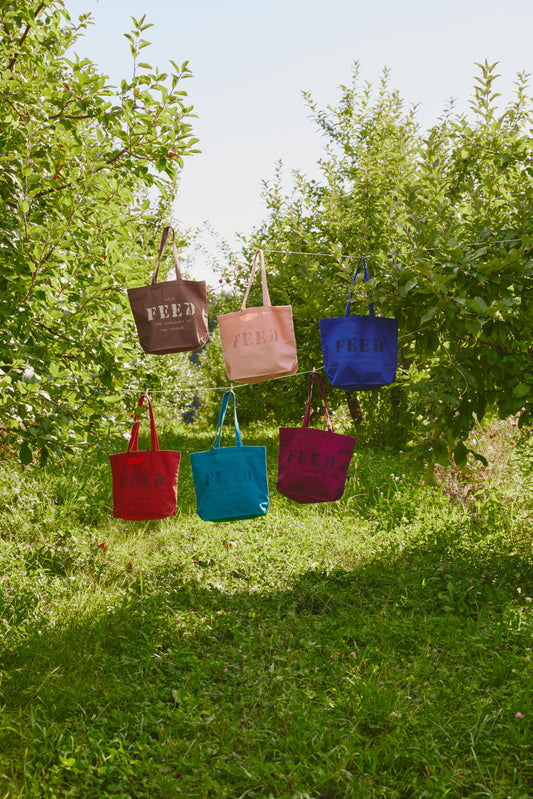
We’re making some (small) changes to how we give.
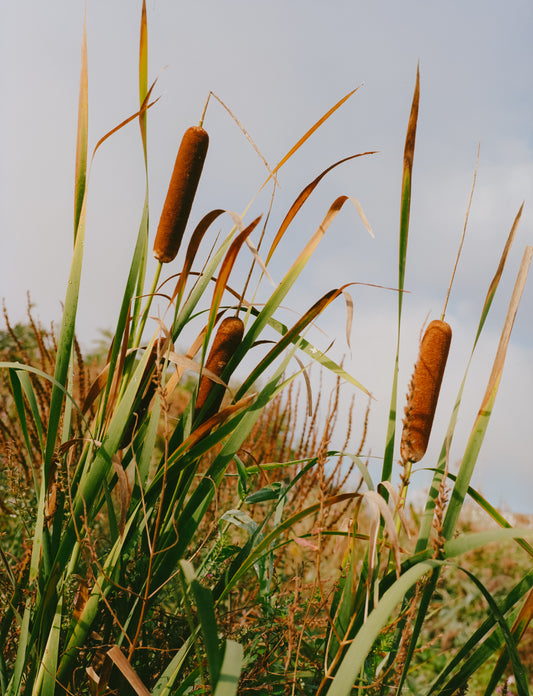
2023 Sustainability Goals & Updates At FEED, we’re proud to design with...
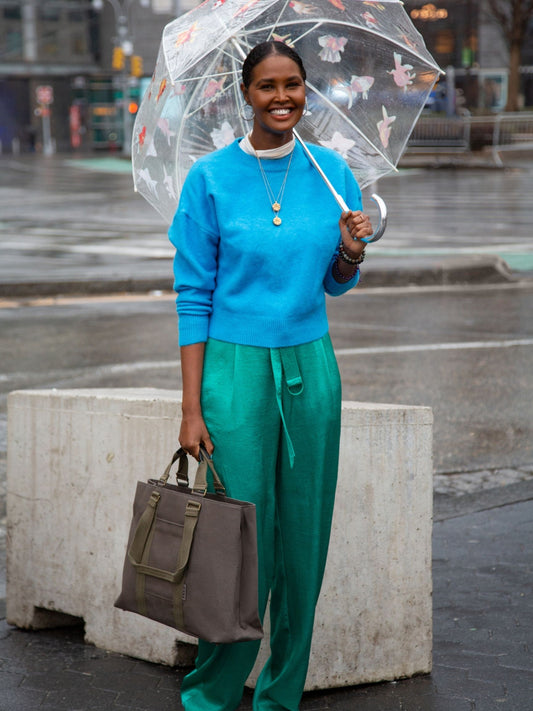
The Work Collection: Meet Ubah Hassan
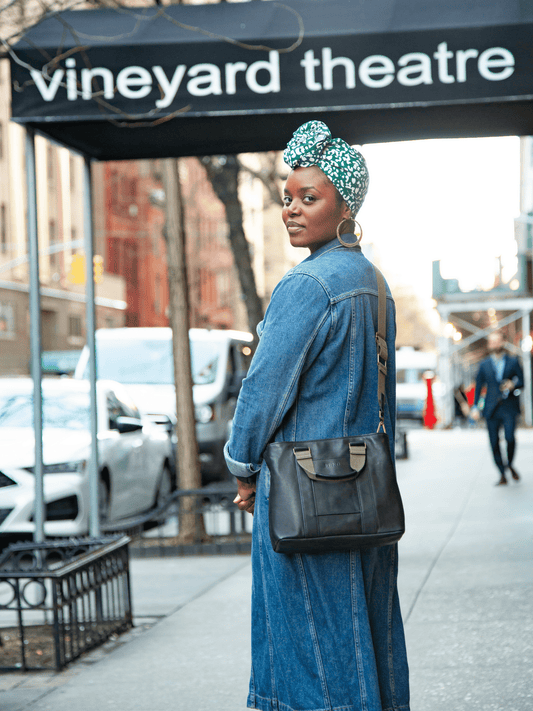
The Work Collection: Meet Brittany Bellizeare The Work Collection As seen on...
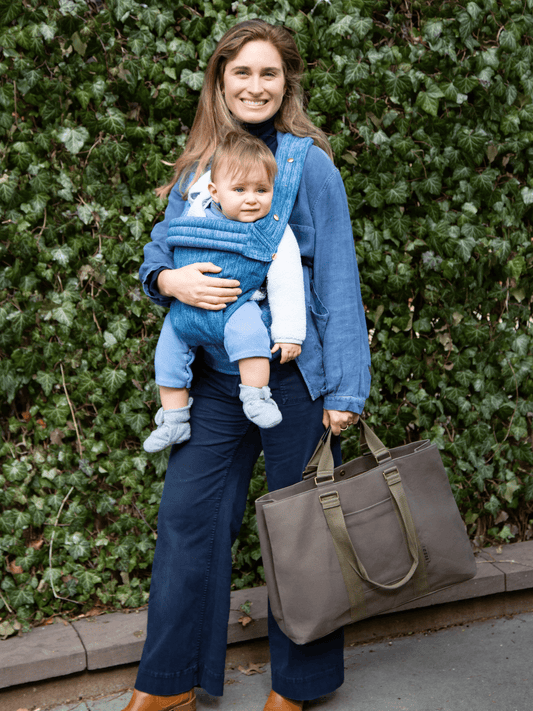
The Work Collection As seen on Lauren Bush Lauren, Founder & Chief...
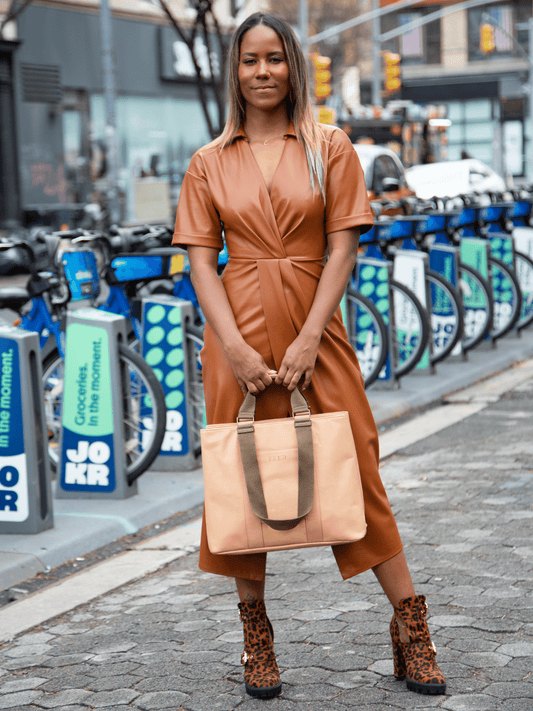
The Work Collection
As seen on Dr. Mariel Buqué, Psychologist
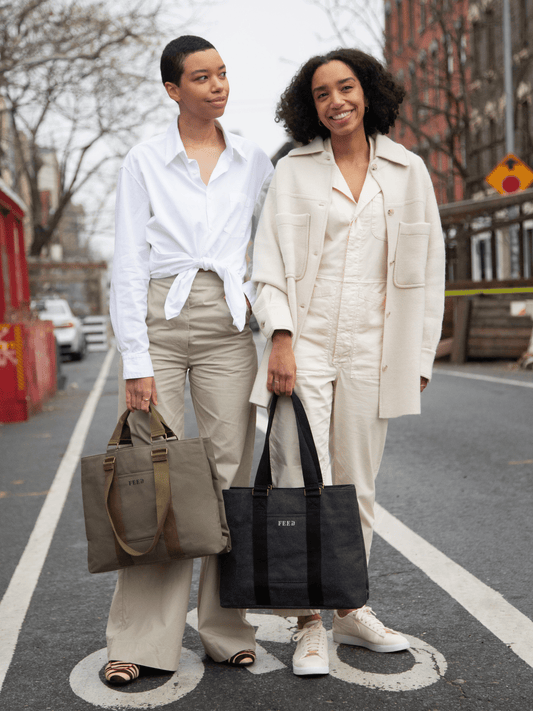
The Work Collection As seen on Corinna & Theresa Williams, Co-Founders, Celsious...
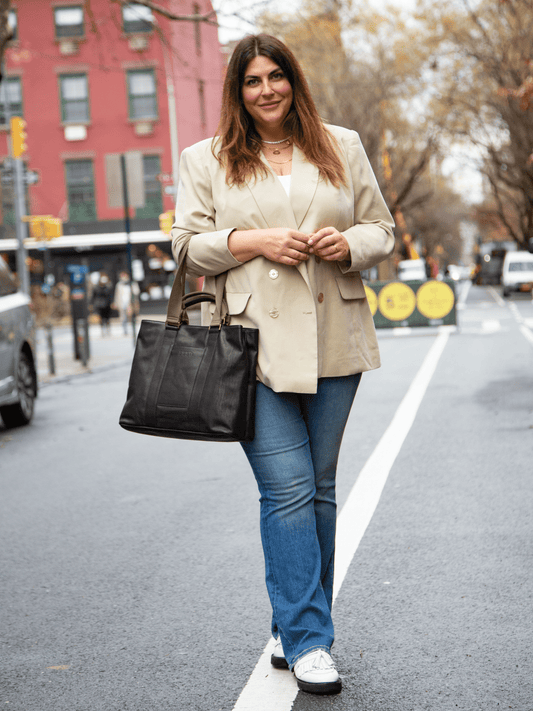
The Work Collection As seen on Katie Sturino, Body Acceptance Advocate &...
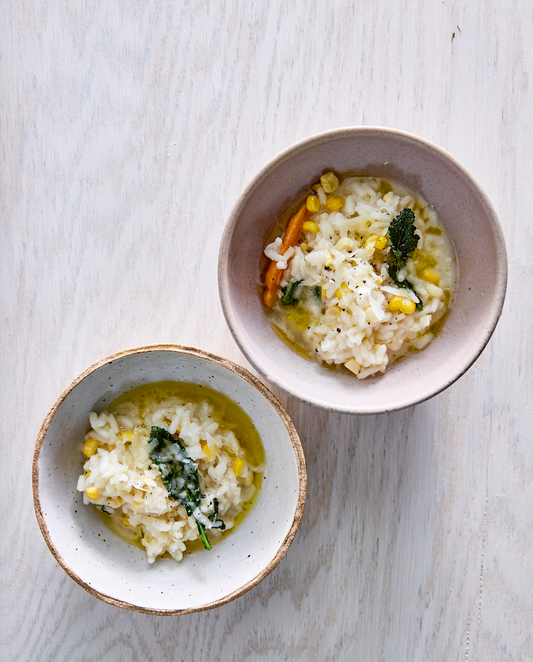
Summer risotto recipe, (exclusive preview!) from Everyday is Saturday
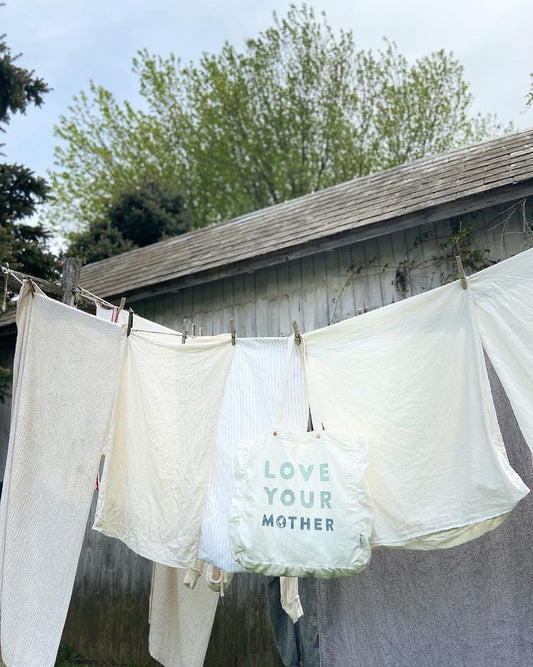
2022 Sustainability Goals & Updates At FEED, we’re proud to design with...
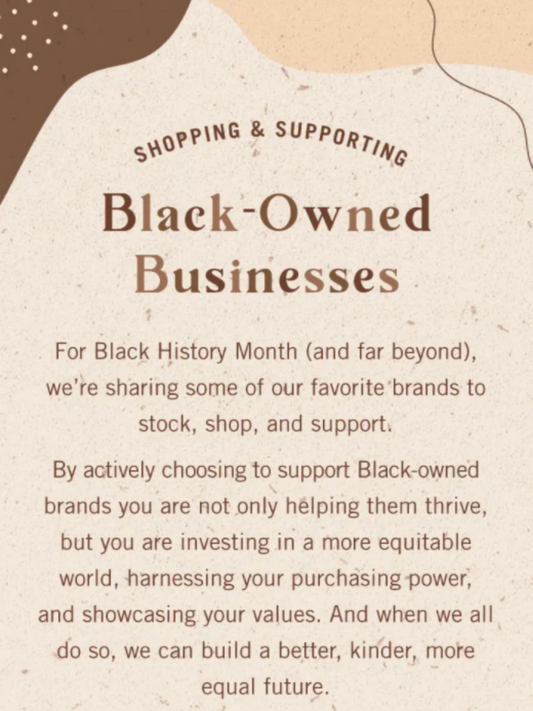
Shopping Guide: Black-Owned Brands
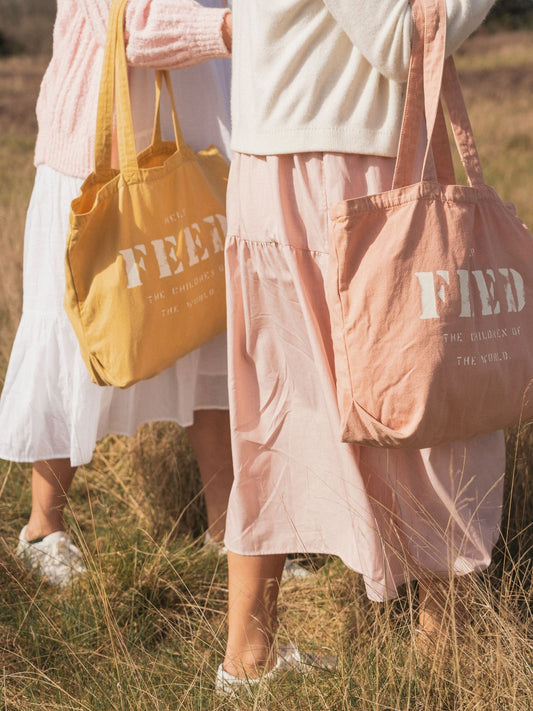
2021 Impact Report
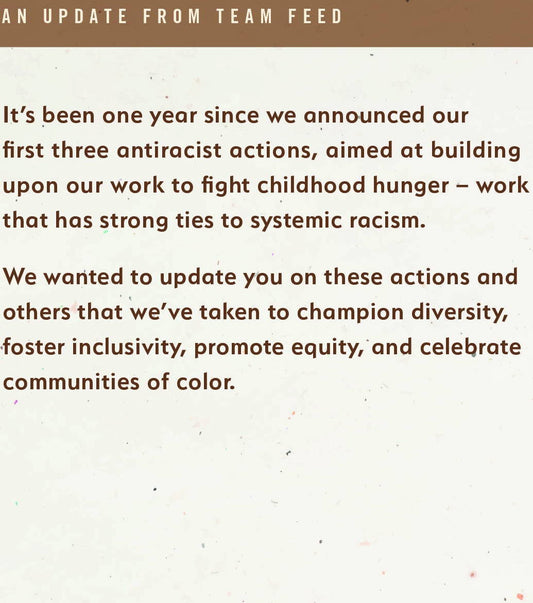
Updates: Our Antiracism Work
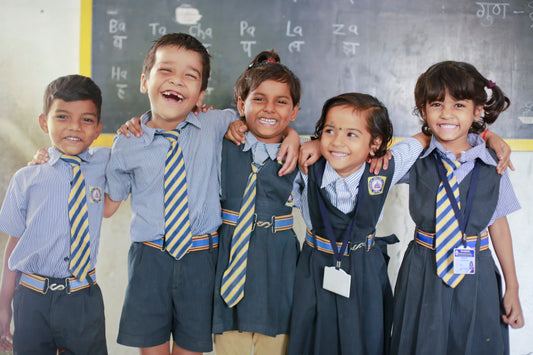
Lauren introduces our newest partner
Akshaya Patra
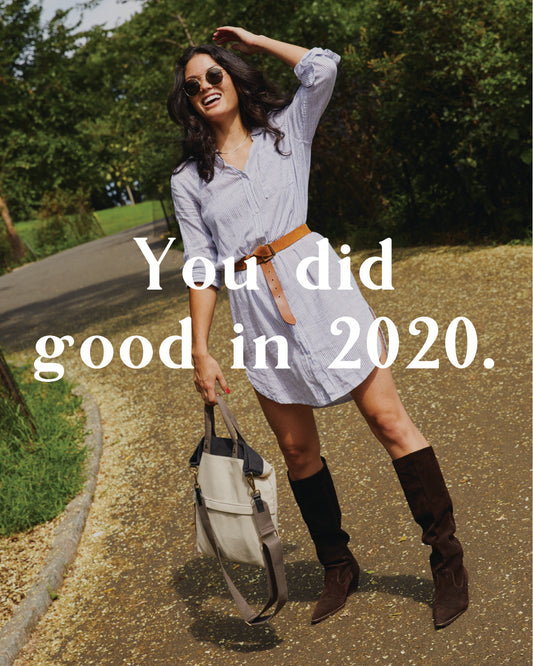
The 2020 Giving Report 2020 was certainly unprecedented, challenging, and unique -...
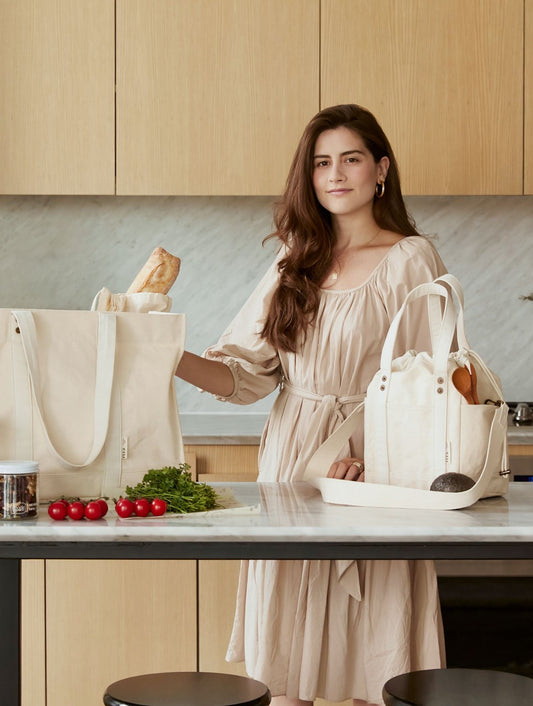
Q&A With Lauren Singer of Package Free
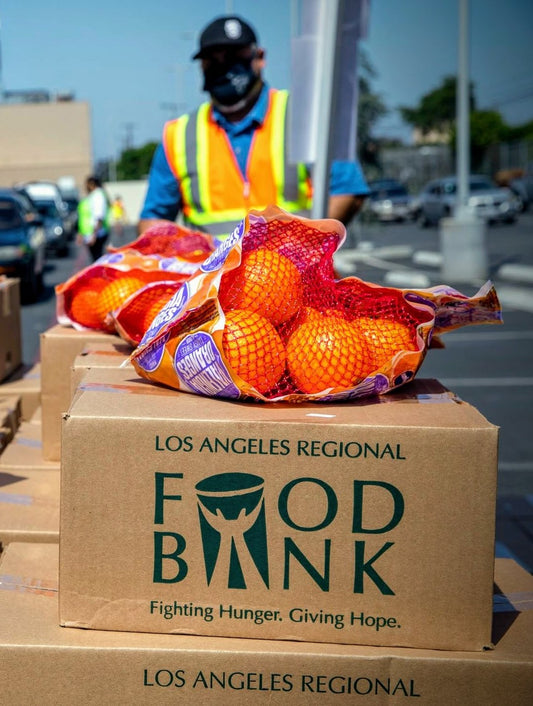
The Pandemic & Hunger: A note from Lauren on hunger and racism
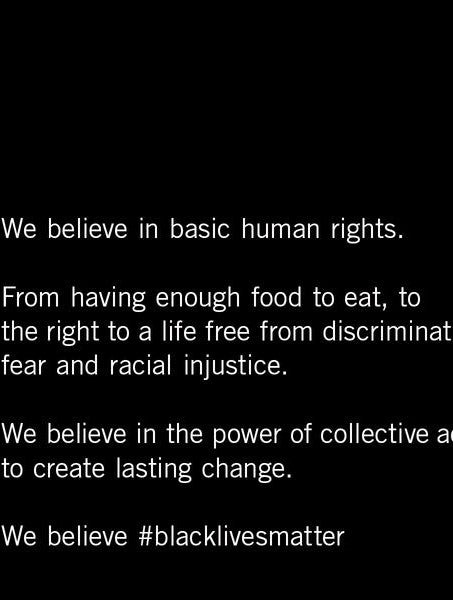
A letter from Lauren: Standing in Solidarity.

The Pandemic & Hunger: A note from Lauren on frontline hunger fighters.
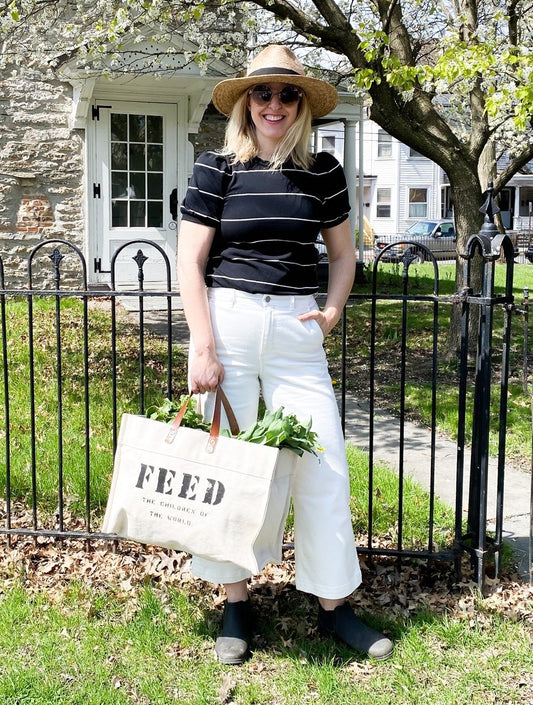
To market, with love. By Sarah Copeland
How to cultivate kindness
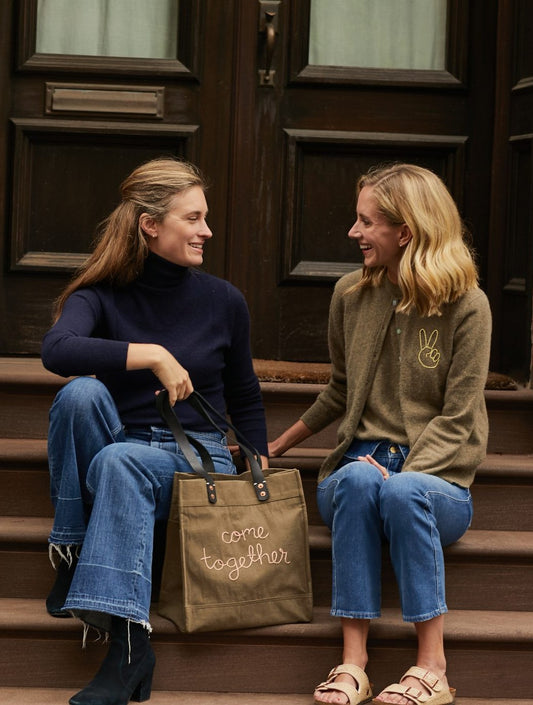
Meet Rachelle, the founder who made embroidery cool
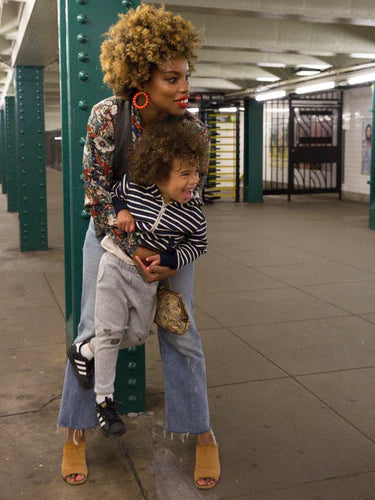
LaTonya Yvette's wisdom (and checklist) for transitioning into Fall
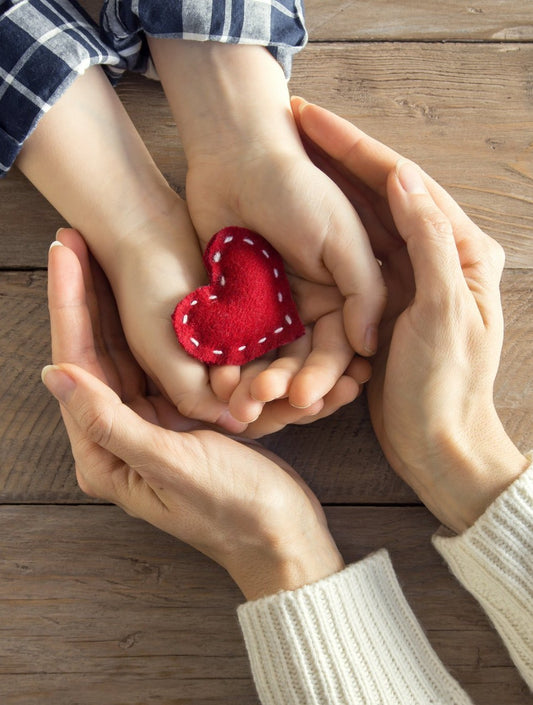
Ask an expert: How do I teach my children about giving back?...
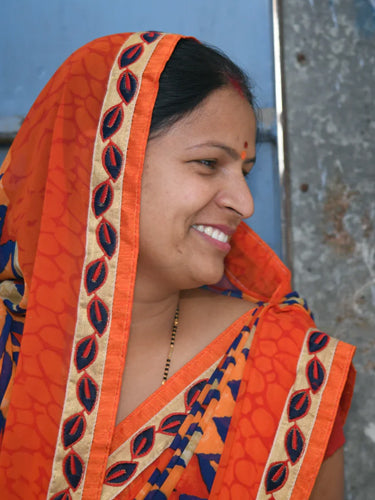
Q&A with Sonica Sarna: The power of supporting female artisans
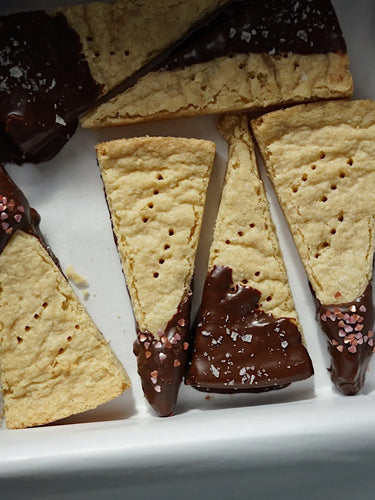
Sarah Copeland's Valentine's Day with kids Lessons in love & kindness – and...
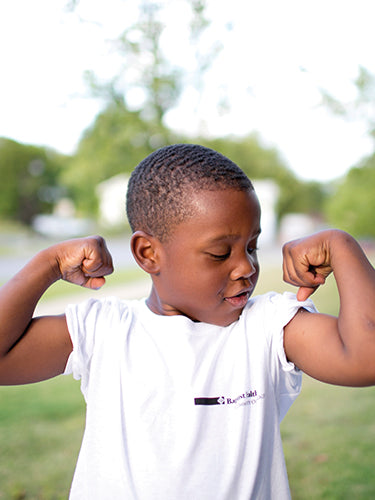
School Meals in America with No Kid Hungry
100 Million Meals by the Numbers: The FEED Giving Report
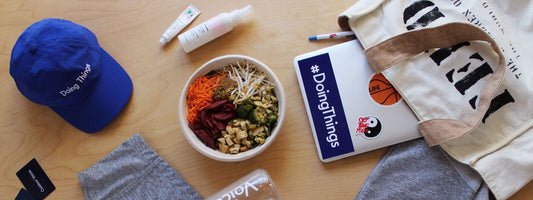
In My FEED Bag: OV's Tyler Haney
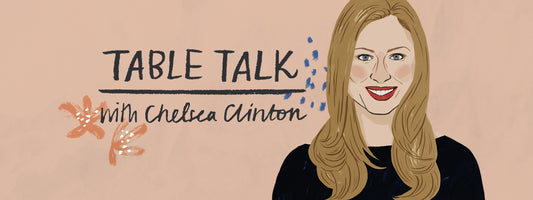
Table Talk with Chelsea Clinton